





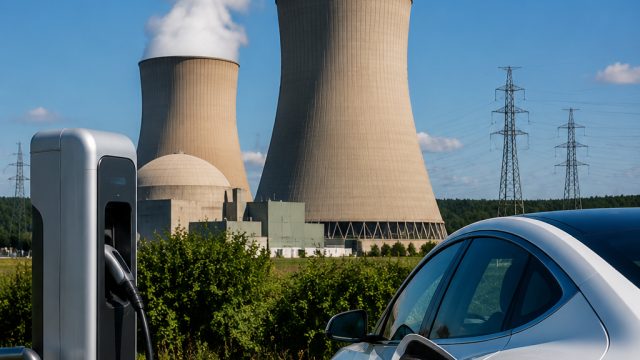
The U.S. Department of Energy has announced a groundbreaking initiative involving $17.5 billion in loans aimed at accelerating the development of new nuclear reactors across the nation. This bold move signals the government's commitment to revitalizing the nuclear sector and addressing growing energy demands in a sustainable way.
Why Nuclear Power Matters Now
As the world grapples with climate change and the need for cleaner energy sources, nuclear power presents a viable solution. This funding comes at a critical juncture when energy security, economic growth, and environmental sustainability are at the forefront of national discussions.
The Need for Energy Security
Energy independence is essential for the U.S. economy. With fluctuating global oil prices and increasing geopolitical tensions, a diversified energy portfolio is more important than ever. Nuclear power can play a pivotal role in providing stable and continuous energy supply.
Driving Technological Advancements
The investment is not merely financial; it also aims to foster innovation in nuclear technologies. The loans will support the development of advanced reactors that are safer, more efficient, and capable of utilizing new fuels. This technological evolution could redefine the future of energy production.
Key Benefits of the $17.5 Billion Loan Initiative
- Job Creation: The construction and operation of new reactors will create thousands of jobs, contributing to the economic recovery post-pandemic.
- Cleaner Energy Future: Nuclear reactors produce minimal greenhouse gas emissions, aiding in the fight against climate change.
- Energy Resilience: New reactors can help stabilize the grid and provide backup during peak demand periods.
Challenges Ahead
While the funding is a major step forward, several challenges remain. Regulatory hurdles, public perception of nuclear power, and the initial costs of reactor construction will need to be addressed to ensure the success of this initiative.
Public Perception and Safety Concerns
Overcoming the stigma associated with nuclear energy is crucial. Education and transparent communication about safety measures and advancements are necessary to gain public trust. Highlighting the advancements in reactor safety and waste management can change the narrative around nuclear energy.
Regulatory Framework
Streamlining the regulatory processes will be essential for speeding up the construction of these new reactors. Ensuring that safety remains a top priority while also reducing red tape will require cooperation between government agencies and the nuclear industry.
Conclusion: A New Era for Nuclear Energy
The $17.5 billion loan initiative marks a pivotal moment in the U.S. energy landscape. As the nation looks to diversify its energy resources and combat climate change, nuclear power stands out as a significant player. With the right support and public backing, this could lead to a renaissance in American nuclear energy, ushering in a new era of innovation, job creation, and environmental stewardship.
