





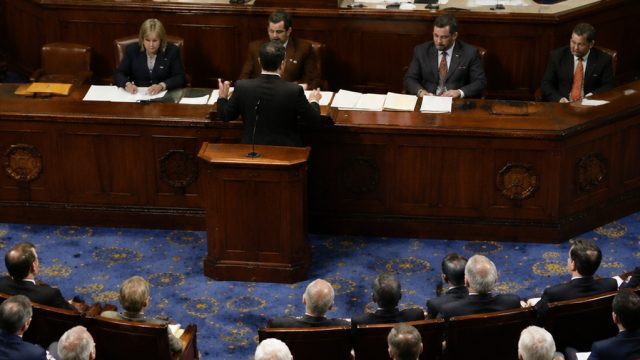
In a significant legislative move, Congress has enacted a resolution designed to limit the war powers of the President, particularly in relation to military actions against Iran. This historic decision marks the first time in recent history that lawmakers have formally challenged the broad authority typically granted to the executive branch regarding military engagements. The implications of this measure could reverberate through the halls of power, affecting future military decisions and the balance of authority between Congress and the presidency.
The Context Behind the Measure
The rise in tensions between the United States and Iran has sparked a nationwide discourse on the extent of presidential power when it comes to military action. Critics argue that previous administrations have overstepped their bounds, often acting without sufficient consultation or approval from Congress. The recent military engagements have intensified calls for clearer checks and balances, leading to the introduction of this pivotal resolution.
Historical Background
For decades, the War Powers Resolution of 1973 has functioned as a legislative effort to define and limit the power of the President in deploying military forces. Yet, successive presidents have frequently bypassed this requirement, often claiming national security or emergency powers. The current political climate has prompted lawmakers to re-examine and reaffirm their constitutional role in military decision-making.
Key Provisions of the Resolution
This newly passed measure includes several critical components aimed at reinforcing Congressional authority:
- Mandatory Consultations: The President must consult with Congress before initiating military action against Iran, ensuring that legislative voices are considered.
- Reporting Requirements: Any military action taken must be reported to Congress within a specified timeframe, creating more accountability.
- Limitations on Funding: The measure specifies that no funds can be allocated for military action against Iran without Congressional approval, further restricting executive power.
Reactions from Lawmakers
The passage has drawn a mixed response from lawmakers, reflecting deep-seated divisions on military policy:
- Supporters: Advocates of the resolution emphasize the necessity of Congressional oversight in military matters, arguing that this measure restores a vital check on presidential power.
- Opponents: Critics contend that limiting the President's ability to respond swiftly in military crises could jeopardize national security and impede decisive action.
The Broader Implications for U.S. Foreign Policy
The enactment of this resolution could reshape the landscape of U.S. foreign policy, especially in regions where military intervention has historically been a common tool. As Congress asserts its authority, the ramifications may influence how future administrations approach international conflicts, signaling a shift towards more collective decision-making.
Potential Outcomes
Several potential outcomes could arise from this legislative action:
- Increased Dialogue: The measure may foster more robust discussions between the executive and legislative branches regarding military strategy and foreign policy.
- Precedent for Future Conflicts: This resolution sets a precedent that could be referenced in future legislative attempts to limit presidential powers across various conflicts.
- Public Engagement: As citizens become more aware of these developments, increased public scrutiny on military actions may result in greater civic engagement around issues of war and peace.
Conclusion: A Historic Moment for Democracy
The passage of this war powers resolution is more than just a legislative milestone; it represents a historic moment for American democracy. As Congress reasserts its role in military decision-making, the balance of power may shift towards a more collaborative approach to foreign policy. This legislative action serves as a reminder of the importance of checks and balances in governance, ensuring that the voice of the people, through their elected representatives, remains a critical part of decisions that affect the nation’s security and international standing.
