





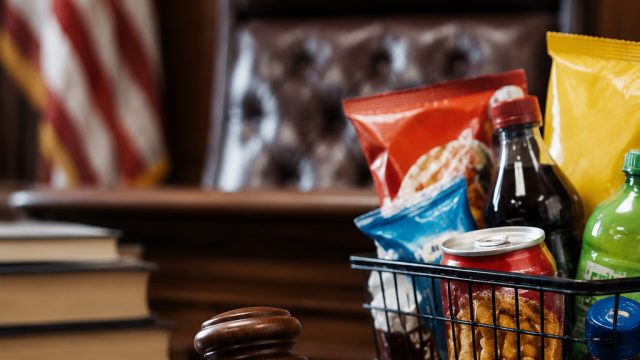
In a significant legal development that has stirred debate across the United States, a federal judge recently ruled that the government cannot prohibit the use of Supplemental Nutrition Assistance Program (SNAP) benefits for purchasing candy and sugary beverages. This decision, which challenges state efforts to curb unhealthy eating habits among low-income families, has sparked discussions about the future of food assistance programs and their implications for public health.
Understanding the Ruling
The ruling was made by a federal judge who expressed concern over the state's authority to impose restrictions on SNAP purchases. SNAP, formerly known as food stamps, provides financial assistance to low-income individuals and families to help them buy food. The judge's decision effectively nullifies state-led initiatives aimed at limiting the purchase of junk food with these benefits.
Background of the Case
- The ruling arose in response to a proposed ban on using SNAP dollars for items deemed unhealthy, such as soda and candy.
- Advocates for the ban argued that limiting junk food purchases could help combat obesity and promote healthier eating habits.
- Opponents maintained that restricting food choices for low-income families is unjust and infringes on personal freedom.
Implications for Public Health
This ruling raises critical questions about the role of government in regulating food choices. Proponents of public health initiatives argue that allowing SNAP benefits to be spent on junk food undermines efforts to reduce obesity rates and improve nutrition among vulnerable populations. With obesity rates in the U.S. remaining alarmingly high, the debate over SNAP regulations is more relevant than ever.
Economic and Social Considerations
The decision has far-reaching economic implications as well. By allowing the purchase of junk food with SNAP benefits, advocates argue that it may stimulate local economies through increased sales in convenience stores and supermarkets that stock these items. However, critics contend that this boost in sales comes at a cost to public health.
Balancing Economic Boost and Health Risks
- Supporters of the ruling believe that economic growth is vital, especially as communities recover from the pandemic.
- Critics warn that the economic benefits could lead to long-term health consequences, burdening the healthcare system.
The Broader Picture: SNAP and Food Accessibility
As discussions about SNAP continue, it's essential to consider the broader context of food accessibility and nutrition. Many households relying on SNAP benefits already face challenges in accessing healthy food options. The availability of junk food often comes at a lower cost, compounding the dilemma faced by low-income families. This ruling may further complicate their efforts to make healthier choices.
Moving Forward: How Can Change Be Achieved?
To address the concerns raised by this ruling, policymakers may need to explore alternative strategies that promote healthier eating without limiting consumer choice. Some potential solutions include:
- Implementing nutrition education programs for SNAP recipients to encourage healthier food choices.
- Incentivizing the purchase of fresh produce and other nutritious items with additional financial support.
- Engaging community organizations to provide resources and information on healthy eating.
These strategies could help bridge the gap between economic needs and health outcomes, ensuring that SNAP benefits contribute positively to public health.
Conclusion: A Call for Thoughtful Policy
As the implications of this ruling unfold, it is crucial for stakeholders to engage in thoughtful discussions about the future of SNAP and its role in addressing food insecurity. The court's decision serves as a wake-up call to reevaluate how policies can best serve low-income families while promoting healthier lifestyles. As we move forward, the focus must remain on creating an equitable food system that prioritizes both economic stability and nutrition.
