





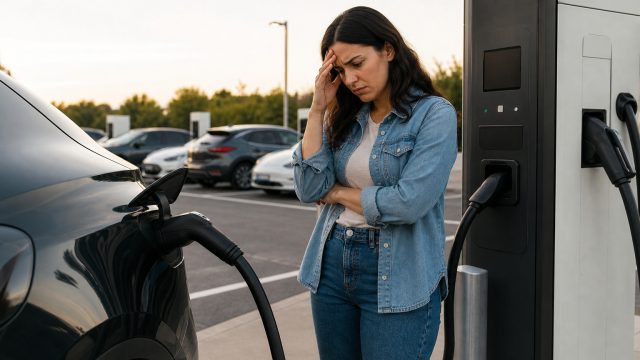
Rising EV Charger Costs: What It Means for Electric Vehicle Owners
As electric vehicles (EVs) become more mainstream, the associated costs of charging them are drawing increased scrutiny. Recent reports have highlighted significant price hikes in public charging stations, particularly from major providers like Ionity. This shift signals a critical moment for EV owners, prompting urgent discussions around the affordability of electric vehicle ownership.
Understanding the Price Surge
Ionity, one of Europe's leading fast-charging networks, has recently announced a considerable increase in its charging fees. This surge raises questions about the long-term implications for EV users who rely on public charging infrastructures. With the costs of charging on the rise, many potential EV buyers might reconsider their options, fearing that affordability will diminish along with the convenience of charging stations.
Why Are Prices Increasing?
The factors contributing to the price increase of public charging are multi-faceted:
- Infrastructure Development Costs: The initial investment for building and maintaining charging stations is substantial. As the demand for EVs grows, so do the costs associated with scaling infrastructure to meet that demand.
- Energy Prices: Fluctuations in energy prices significantly affect charging costs. With the global energy market experiencing volatility, operators are forced to adjust their pricing strategies.
- Regulatory Changes: New regulations aimed at improving the charging experience may lead to increased operational costs, which could be passed on to consumers.
The Impact on Electric Vehicle Owners
For current and prospective EV owners, the rising costs of public charging are concerning. Many consumers turned to electric vehicles to enjoy lower operational costs compared to traditional gasoline vehicles. However, with the increase in charging fees, the initial financial advantage is at risk.
Reassessing Charging Habits
As prices rise, EV owners may need to reevaluate their charging habits. Here are a few strategies to consider:
- Utilizing Home Charging: Installing a home charging station can significantly reduce dependency on public chargers, allowing owners to charge during off-peak hours when electricity rates are lower.
- Joining Charging Networks: Many EV networks offer subscription models that can lower per-session costs for frequent users. Evaluating these options is a smart move for regular chargers.
- Planning Charging Stops: For those who rely on public charging during travel, strategic planning can help minimize costs by selecting stations with better pricing.
Broader Implications for the EV Market
This rise in charging costs raises broader questions about the future of the electric vehicle market. If prices continue to climb, it may deter new buyers, slowing the transition to electrification that governments and manufacturers are pushing for.
Potential Solutions on the Horizon
Industry experts are exploring various solutions to mitigate the impact of rising charging costs:
- Investment in Renewable Energy: Enhancements in renewable energy sources can lead to more stable and potentially lower electricity prices, directly impacting charging rates.
- Government Incentives: Policies aimed at subsidizing charging costs or investing in public infrastructure could alleviate some financial burdens on consumers.
- Technological Advancements: Innovations in charging technology could lower operational costs for providers, making it possible to offer lower prices for consumers.
Conclusion
The escalating costs of public EV charging present a formidable challenge for electric vehicle owners. As Ionity and other providers adjust their pricing models, it is crucial for current and prospective EV users to stay informed and adapt their strategies accordingly. Navigating the evolving landscape of EV charging will require resourcefulness, but with the right approach, owning an electric vehicle can still be a financially viable option.
