





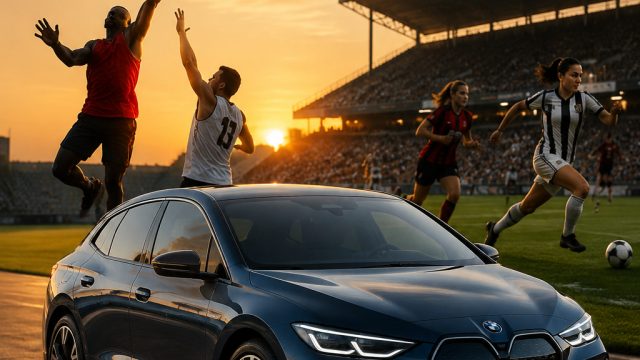
The automotive industry is buzzing with excitement over the recent reveal of BMW's i3 electric sedan. Touted to achieve a remarkable 563 miles on a single charge according to the WLTP (Worldwide Harmonized Light Vehicles Test Procedure), the i3 is setting a new standard for electric vehicles (EVs). But what does this mean for consumers and the evolving EV landscape?
Breaking Down the 563-Mile Claim
While the WLTP figures are promising, real-world conditions often present a different picture. Factors such as driving style, terrain, and weather can significantly impact an EV's range. BMW aims to hone in on this discrepancy by incorporating advanced technologies that enhance efficiency.
The Role of 800V Generation 6 Technology
At the heart of the i3's performance is its innovative 800V Generation 6 technology. This cutting-edge system allows for quicker charging times and enhanced power output, making it a game-changer in the EV market.
- Rapid Charging: The 800V system enables drivers to recharge their vehicles faster than previous models.
- Efficiency: Improved energy transfer means less power is lost during charging, providing more usable range.
- Performance: The i3's electric motor benefits from higher voltage, resulting in better acceleration and handling.
Understanding the Real-World Range Gap
Despite the impressive WLTP ratings, the transition from lab conditions to actual driving scenarios often reveals a gap. Early adopters of the i3 should be prepared for variances in range based on everyday usage. Consumers should also be aware of how external factors like temperature and load impact overall performance.
What Consumers Need to Know
As the EV market continues to grow, potential buyers must weigh the advantages of extended range with practical driving experiences. Here are some considerations:
- Charging Infrastructure: Ensure access to fast-charging stations, especially for long trips.
- Driving Habits: Adjusting driving habits can help maximize range; consider smooth acceleration and deceleration.
- Seasonal Effects: Cold weather can reduce battery efficiency, so prepare for potential range decreases.
The i3's Place in the EV Market
With fierce competition from brands like Tesla and Rivian, BMW's i3 is entering a crowded market. However, its high-tech features and innovative design could set it apart. BMW's commitment to sustainability and cutting-edge technology signals a positive direction for the future of electric mobility.
A Look Ahead
The i3's launch is more than just about numbers; it symbolizes a shift in consumer expectations towards EVs. As the market matures, features like enhanced range and rapid charging will become expectations rather than luxuries. In this context, BMW's i3 could serve as a benchmark for future electric vehicles.
Conclusion: Why This Matters Now
As the world moves towards greener transportation solutions, the launch of the BMW i3 electric sedan represents a crucial moment in the evolution of electric vehicles. The impressive range claim and advanced technology showcase what is possible in the EV market today. For consumers considering an electric vehicle, the i3 offers a glimpse into a future where driving longer distances without the anxiety of charging may soon be a reality.
