





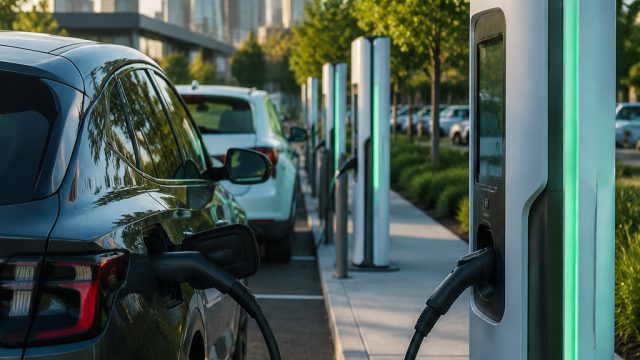
In recent years, the landscape of electric vehicle (EV) charging infrastructure in the United States has changed dramatically. Contrary to popular belief, the number of EV chargers available throughout the country is far greater than many people realize. This surge in accessible charging stations is a critical factor for the future of electric mobility and sustainable energy solutions.
Understanding the Expanding Network of EV Chargers
As environmental concerns grow and the automotive industry shifts towards electric options, the expansion of EV charging stations has become paramount. Government initiatives and private sector investments have combined to create a robust network of charging points that cater to the needs of electric vehicle owners.
The Role of Government and Private Investment
- Federal Incentives: Government programs have been pivotal in promoting the installation of EV chargers. These initiatives often include grants and tax incentives for businesses and municipalities.
- Corporate Responsibility: Companies operating in sectors related to sustainability are increasingly investing in EV charging infrastructures, enhancing their commitment to environmental stewardship.
- Public-Private Partnerships: Collaborations between government agencies and private companies have accelerated the deployment of charging stations, ensuring a wider reach.
Why This Matters Now
The current momentum in expanding EV charging infrastructure is crucial for several reasons:
Supporting the Electric Vehicle Revolution
As more consumers embrace electric vehicles for their lower environmental impact and operating costs, the availability of charging stations becomes a significant factor in their purchasing decisions. Current estimates suggest that with the right infrastructure in place, electric vehicle sales could soar.
Enhancing Consumer Confidence
- Range Anxiety Reduction: A well-distributed network of chargers alleviates concerns about running out of battery power on longer journeys.
- Convenience and Accessibility: The increase in charging stations provides drivers with the assurance that they can easily recharge their vehicles, mirroring the convenience of traditional gas stations.
- Boosting Adoption Rates: As potential EV buyers see more chargers, they are more likely to consider an electric vehicle as a viable option.
Future Trends in EV Charging Infrastructure
Looking ahead, several trends are likely to shape the future of EV charging:
Technological Advancements
With the rapid pace of technological innovation, charging solutions are becoming faster and more efficient. The evolution of ultra-fast charging stations means that EV owners can now refuel their vehicles in a fraction of the time it took just a few years ago.
Integration with Renewable Energy
- Solar-Powered Stations: Many new charging points are being designed to utilize renewable energy sources, reducing the carbon footprint associated with electric vehicle charging.
- Smart Grids: The integration of EV chargers with smart grid technologies allows for more efficient energy consumption, as chargers can operate during off-peak hours or when renewable energy generation is high.
Conclusion: Embracing the Electric Future
The rising number of EV chargers across the United States marks a significant milestone in the transition to sustainable transportation. As both consumers and businesses recognize the importance of environmental responsibility, the demand for electric vehicles and the infrastructure supporting them will only grow. This transformation is not just an opportunity for innovation in technology but a critical step toward a more sustainable future.
As we stand on the brink of an electric revolution, it is imperative to stay informed and engaged. Whether you're an EV owner, a potential buyer, or simply interested in green technology, understanding the expanding network of EV chargers can help you navigate this exciting landscape.
