





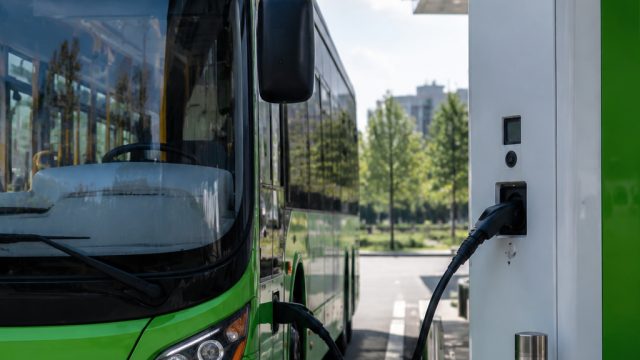
In a world increasingly aware of the climate crisis, the adoption of electric buses in urban transport networks is gaining momentum. However, the methods of charging these buses can shape the future of sustainable transportation. A recent trend highlights the use of diesel generators for charging electric buses, raising concerns about the long-term viability of such practices.
The Current Landscape of Electric Bus Charging
As cities around the globe adopt electric buses to reduce carbon emissions and improve air quality, the methods used to charge these vehicles have come under scrutiny. While electric buses are designed to operate without fossil fuels, a significant number of them are still being charged using diesel generators. This practice undermines the environmental benefits that electric buses aim to provide.
Why Diesel Charging is Problematic
- Increased Emissions: Charging electric buses with diesel generators directly contradicts their purpose, as it contributes to greenhouse gas emissions.
- Inefficiency: Relying on diesel generators results in wasted resources and energy, reducing the overall efficiency of electric transportation.
- Public Perception: The use of diesel for charging can damage public trust in electric vehicle technology, which is vital for its future growth.
Emerging Solutions for Sustainable Charging
To address the challenges posed by diesel-dependent charging, innovative solutions are being developed to enhance the sustainability of electric bus operations. Here are some notable advancements:
1. Renewable Energy Integration
Utilizing renewable energy sources such as solar and wind power for charging electric buses can significantly reduce the carbon footprint. Many cities are beginning to implement solar charging stations that harness sunlight to charge their electric fleet.
2. Battery Swapping Technology
This innovative approach involves swapping depleted batteries with fully charged ones at designated stations, allowing buses to remain on the road longer without the need for lengthy charging periods. This method not only enhances efficiency but also minimizes downtime for electric buses.
3. Smart Charging Solutions
Smart grid technology enables more efficient energy distribution by managing when and how charging occurs. This system can optimize charging schedules based on energy demand and availability, particularly during off-peak times when renewable energy sources are more abundant.
Why This Matters Now
The urgency to shift away from diesel-generated electricity for charging electric buses has never been more critical. As cities strive to meet international climate goals, ensuring that electric buses are powered by clean energy can lead to a significant reduction in urban pollution levels.
Community and Economic Benefits
Transitioning to sustainable charging solutions not only contributes to environmental health but also provides economic advantages:
- Job Creation: Investing in renewable energy infrastructure creates new jobs in installation, maintenance, and operation.
- Cost Savings: Reducing reliance on fossil fuels can lead to significant savings in operational costs for public transport agencies.
- Enhanced Public Health: Cleaner air and reduced emissions contribute to better health outcomes for urban populations.
Conclusion
As the transportation sector evolves, the shift toward sustainable charging solutions for electric buses is essential for achieving the environmental benefits these vehicles promise. By moving away from diesel generators and embracing innovative technologies, cities can pave the way for a cleaner, greener future in public transportation. The continued development and implementation of these sustainable practices will not only enhance the efficiency of electric buses but also foster trust and acceptance among the public, ultimately leading to a more successful transition to electric mobility.
