





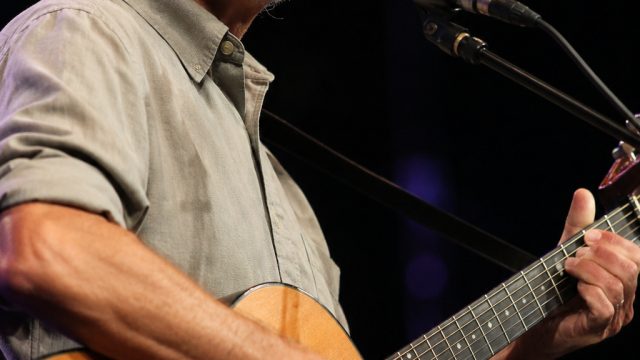
Noel Stookey, the last surviving member of the iconic folk trio Peter, Paul and Mary, is on the brink of his 90th birthday. His storied career is a testament to the vibrant music scene of the 1960s, a time marked by social upheaval and artistic innovation. Stookey's memories not only capture the essence of an unforgettable era but also highlight the ongoing relevance of music in shaping societal values.
The Beat of Change: A Musical Revolution
The 1960s were transformative, with the folk music revival at the forefront. Artists like Bob Dylan and Stookey's own trio played crucial roles in reflecting the era's struggles and aspirations. Stookey recalls participating in pivotal events like the Newport Folk Festival, which became a launching pad for numerous musicians and a platform for cultural change.
Iconic Performances That Shaped a Generation
- Stookey's performance at the Newport Folk Festival in 1965 was marked by the presence of Bob Dylan, whose transition to electric music stirred both excitement and controversy.
- The trio's rendition of "If I Had a Hammer" became an anthem for social justice movements, resonating with those advocating for civil rights.
A Legacy of Activism Through Music
Music during the 1960s was not just entertainment; it was a tool for social change. Stookey emphasizes the importance of using their platform to address pressing issues of the time, including civil rights and anti-war sentiments. He reflects on how their songs fostered a sense of community and empowerment among listeners.
Messages of Hope and Resilience
Stookey's lyrics often carried messages that inspired hope and resilience. Hits like "Puff, the Magic Dragon" were not merely children's songs; they touched on themes of innocence and loss, resonating with audiences of all ages. As he looks back, Stookey expresses pride in having contributed to a movement that ignited passion and solidarity.
The Impact of Music on Contemporary Culture
As Stookey reflects on his past, the echoes of the 1960s remain vibrant in today's cultural landscape. The folk revival laid the groundwork for subsequent music movements, influencing genres that thrive today. Stookey points out that the age of social media allows for a new generation of artists to share their messages quickly and widely.
Modern Artists Drawing Inspiration
Contemporary musicians often cite the folk revival as a source of inspiration. Artists like Mumford & Sons and The Lumineers incorporate storytelling and social commentary into their work, mirroring the essence of Stookey's time.
Conclusion: A Living Legacy
As the last living member of Peter, Paul and Mary, Noel Stookey carries a legacy that transcends time. His reflections provide invaluable insights into the power of music as a catalyst for change. Today, as we face new challenges, the messages of unity, resilience, and activism that emerged during the 1960s continue to inspire and resonate with audiences around the globe. Stookey's story is a reminder that music remains a powerful tool for shaping our world, encouraging us to listen, engage, and act.
