





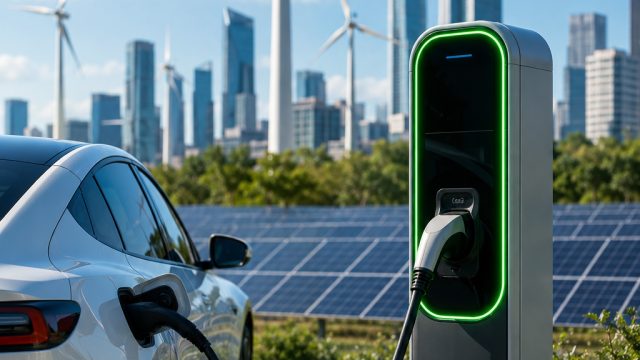
The intersection of artificial intelligence and clean energy is rapidly reshaping the global economic landscape. As we approach the next decade, experts predict significant shifts driven by these two catalysts, making it essential for businesses and consumers alike to stay informed.
The Role of Clean Energy in Economic Expansion
Global efforts to transition to clean energy sources are not merely an environmental mandate; they are becoming a crucial economic strategy. Countries are investing heavily in renewable energy infrastructure, with solar and wind power leading the charge. These investments are projected to stimulate job creation across various sectors.
Job Creation in the Renewable Sector
- Manufacturing of solar panels and wind turbines
- Installation and maintenance of energy systems
- Research and development roles focused on innovation
According to recent studies, transitioning to clean energy could create millions of new jobs globally, enhancing local economies and driving down unemployment rates in regions heavily reliant on fossil fuels.
Artificial Intelligence: Enhancing Efficiency and Productivity
Artificial intelligence is not just a buzzword; it's a transformational technology that enhances the efficiency of clean energy systems. By utilizing AI, companies can optimize energy distribution, predict maintenance needs, and even forecast energy demand.
AI Applications in Energy Management
Consider the following applications:
- Smart Grids: Utilizing AI to manage energy flows and reduce wastage.
- Predictive Analytics: Enabling better forecasting of energy consumption trends.
- Automation: Streamlining operations for reduced costs and improved service delivery.
As AI technologies become more advanced, their ability to integrate with clean energy solutions will be pivotal in driving economic growth, making energy more accessible and affordable for everyone.
Regional Trade and Innovation: A New Growth Paradigm
The combination of clean energy initiatives and AI not only promises local benefits but also fosters regional trade. With nations collaborating on technology and resources, the global market is set for an unprecedented transformation.
Impact on Global Trade
Here's how clean energy and AI are influencing global trade:
- Increased Collaboration: Countries are forming partnerships to share innovations and technical expertise.
- Trade Agreements: New agreements favoring sustainable practices and technologies.
- Market Expansion: Increased demand for clean energy solutions opens new markets.
This new paradigm positions countries that invest in clean energy and AI as leaders in the global economy. As these technologies mature, they will redefine competitive advantages, compelling other nations to adapt or risk falling behind.
Why This Matters Now
As we face pressing challenges such as climate change and resource scarcity, the urgency to pivot towards clean energy is greater than ever. The World Bank emphasizes that the next decade will be critical in determining how effectively nations can harness technology for growth.
Adapting to Change
Businesses, governments, and consumers must adapt to this evolving landscape. Here are some immediate actions to consider:
- Invest in Renewable Technologies: Stakeholders need to commit resources to sustainable practices.
- Embrace Innovation: Adopting AI tools for operational efficiency is vital.
- Educate and Train: Preparing the workforce for the jobs of the future will ensure economic resilience.
In conclusion, the synergy between clean energy and artificial intelligence presents a unique opportunity to reshape economies for the better. As these technologies evolve, they will not only offer solutions to existing problems but also pave the way for a sustainable and prosperous future.
