





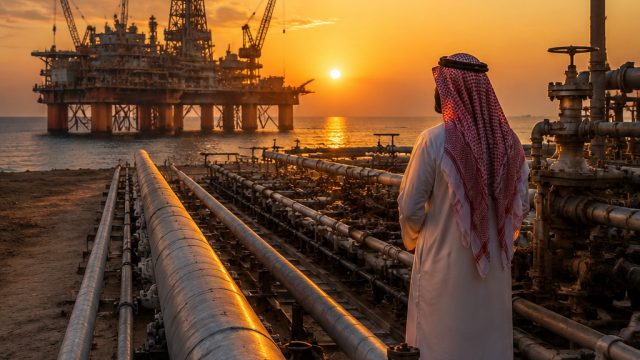
In recent weeks, the North Sea crude oil market has experienced increased volatility as a significant influx of Middle Eastern oil is heading towards Europe. This change has raised essential questions about market stability and pricing dynamics, particularly in light of the reopening of the Strait of Hormuz, a critical shipping lane for global oil supplies. Understanding the implications of this shift is crucial for energy stakeholders and consumers alike.
Current Market Dynamics and Influences
As Middle Eastern nations ramp up oil production and export activities, the North Sea crude market is showing signs of weakening. Key indicators, including price fluctuations and trading volumes, reflect growing concerns about a potential supply glut. This situation is driven by multiple factors, all converging at a pivotal moment in the global energy sector.
Increased Supply from the Middle East
The recent resumption of oil exports from major Middle Eastern producers has significantly altered the supply landscape. Factors contributing to this surge include:
- Economic Recovery: As economies rebound in the wake of pandemic restrictions, oil demand is increasing.
- Strategic Pricing: Middle Eastern countries are competitively pricing their oil to capture market share.
- Infrastructure Readiness: Enhanced shipping capabilities have facilitated faster oil delivery to European markets.
The Impact on North Sea Crude Prices
With the influx of Middle Eastern oil, North Sea crude prices are under pressure. Key developments include:
- Price Declines: Recent trading sessions have shown a notable drop in prices, raising alarms among traders and investors.
- Increased Competition: The availability of cheaper alternatives from the Middle East is forcing North Sea producers to rethink their pricing strategies.
- Market Speculation: Analysts are closely monitoring these trends, as they could lead to long-term shifts in market dynamics.
Broader Implications for the Energy Sector
The effects of this oil influx extend beyond pricing, influencing strategic decisions across the energy sector. Stakeholders must consider the following implications:
Investment Shifts
As the market landscape changes, investments in crude oil production may need to adapt. This could include:
- Technology Investments: Increased focus on technology that improves production efficiency and reduces costs.
- Exploration Initiatives: Companies may redirect their investments towards exploring new oil fields or enhancing existing ones.
Consumer Behavior
The changing price dynamics can directly affect consumers. Possible outcomes include:
- Fuel Prices: Fluctuations in crude oil prices will eventually impact gasoline and diesel prices.
- Energy Choices: Consumers might shift towards alternative energy sources as oil prices become less stable.
Conclusion: Navigating the New Oil Landscape
The reentry of Middle Eastern oil into the European market is reshaping the North Sea crude landscape and highlighting the need for adaptability among energy stakeholders. With significant changes expected in pricing and supply dynamics, the entire sector must remain vigilant. Understanding these developments is not just crucial for industry players but also for consumers who rely on stable energy prices. As the market continues to evolve, staying informed will be key to navigating the challenges and opportunities that lie ahead.
