





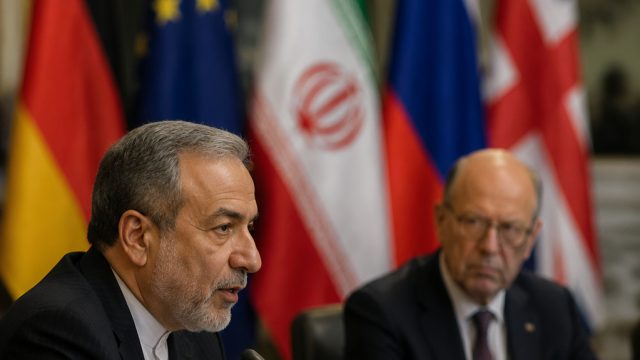
In a significant development that has caught the attention of international observers, Iranian officials have firmly rejected proposals for inspections of their nuclear facilities. This decision adds a layer of complexity to ongoing diplomatic negotiations surrounding Iran's nuclear program. The implications of this stance are profound, particularly regarding global security and the geopolitical dynamics of the Middle East, especially in relation to the Strait of Hormuz.
Understanding Iran's Position
Iran's recent announcement that it will not permit any inspections of its nuclear sites is a reiteration of its long-standing policy of maintaining sovereignty over its nuclear program. This firm position arises at a time when tensions in the region are already high, exacerbated by ongoing discussions about nuclear capabilities and the potential for military actions.
The Nuclear Agreement Fallout
The Iran nuclear deal, formally known as the Joint Comprehensive Plan of Action (JCPOA), has been the subject of contention since the United States withdrew from it in 2018. Iran's rejection of inspections further complicates the situation, drawing criticism from Western powers that are concerned about transparency in Iran's nuclear activities.
- Agreement breakdown: The U.S. withdrawal has significantly impacted Iran's compliance with nuclear restrictions.
- International Reaction: Countries like France, Germany, and the UK have expressed their concerns and urged Iran to reconsider.
- Future Negotiations: As diplomatic channels remain open, the prospect of resuming talks seems increasingly complex.
Strategic Importance of the Strait of Hormuz
The Strait of Hormuz, a narrow passage that connects the Persian Gulf to the Arabian Sea, is a crucial maritime route for global oil shipments. Iran's assertion of control over this waterway has far-reaching implications for international energy security and economic stability.
The Risks of Escalation
As Iran maintains its claim over the Strait, the likelihood of confrontations with other nations intensifies. The region is already a hotspot for military presence, with the U.S. and allied naval forces operating in close proximity. This dynamic raises the stakes for all involved parties, making diplomatic solutions all the more urgent.
Potential Consequences:
- Increased Tensions: Iran's refusal to allow inspections could provoke military responses from neighboring countries.
- Impact on Oil Prices: Any disruption in the Straits could lead to a spike in global oil prices, affecting economies worldwide.
- International Isolation: Continued defiance may further isolate Iran from the global community, impacting trade and relations.
Global Reactions and Diplomatic Efforts
In light of these developments, the global community is watching carefully. Diplomats and international leaders are calling for a collective response to ensure that the situation does not escalate further. The urgency of finding a solution that respects Iran's sovereignty while addressing the concerns of the international community cannot be overstated.
Engagement Through Dialogue
Efforts to engage Iran in diplomatic dialogue have not ceased, with several countries proposing new frameworks for negotiations. The challenge remains how to persuade Iran to allow inspections while still affirming its rights under international laws.
Key Approaches Being Considered:
- Incentives for Cooperation: Proposals include economic incentives that could encourage Iran to modify its stance.
- Enhanced Monitoring: Suggestions for more robust monitoring mechanisms to ensure compliance without infringing on sovereignty.
- International Mediation: Engaging neutral parties to facilitate discussions can help bridge gaps between conflicting interests.
Conclusion: A Crucial Moment for Global Stability
Iran's decision to deny inspections at its nuclear sites and its insistence on control over the Strait of Hormuz reflect broader themes of national sovereignty, regional power dynamics, and international security. As the world grapples with the implications of Iran's actions, it is essential for nations to pursue diplomatic solutions that address both security concerns and Iran's rights. The coming weeks will be pivotal in determining whether dialogue can prevail over conflict, shaping the future of regional and global stability.
