





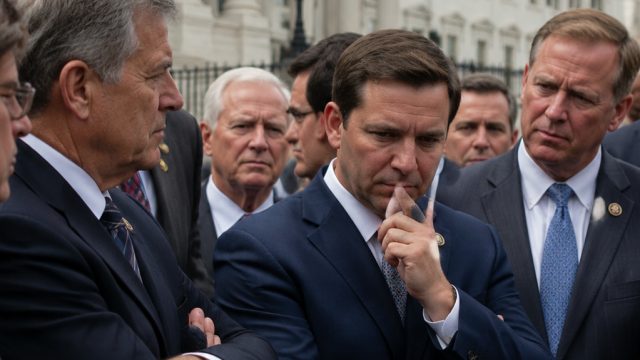
The issue of marriage equality continues to stir intense discussions within the Republican party, creating a notable divide among its members. As same-sex marriage has been legally recognized for several years, the political landscape surrounding this topic is evolving, reflecting changing societal values and the responses they invoke from different factions within the party. Why is this issue resurfacing with such urgency now, and what does it mean for the future of the party?
Historical Context of Marriage Equality
Since the U.S. Supreme Court's landmark decision in Obergefell v. Hodges in 2015, which legalized same-sex marriage nationwide, many expected that the debate would largely fade. However, marriage equality has remained a flashpoint in political discussions, particularly as the social climate shifts and various states propose legislation that could impact LGBTQ rights.
The Growing Backlash
Recently, there has been a noticeable backlash against same-sex marriage within segments of the Republican party. Several high-profile politicians have re-emphasized traditional marriage values, claiming that the legal recognition of same-sex unions undermines the institution of marriage. This has led to increased activism among conservative groups who are rallying around this cause.
Why This Matters Now
- Electoral Impact: With elections approaching, candidates are re-evaluating their stances on marriage equality, aware that the issue could influence voter turnout.
- Party Unity: The divide over marriage equality raises questions about the unity of the Republican party, as differing views may lead to internal strife.
- LGBTQ Rights at Stake: The ongoing debates have broader implications for LGBTQ rights, as changes in legislation could promote discrimination or, conversely, enhance protections.
Current Political Climate
The current landscape reveals a party grappling with internal contradictions. While some Republicans support marriage equality as a human rights issue, others argue against it from a traditionalist standpoint. This division is not just ideological but also generational, with younger voters showing more support for LGBTQ rights than older members.
Influence of Activism
Activism surrounding marriage equality and LGBTQ rights has never been more vibrant, with grassroots movements pushing for change at local and national levels. These activists are not merely fighting for legal recognition; they are advocating for cultural acceptance and understanding, which is essential for lasting change.
Future Implications for the Republican Party
The increasing polarization of views within the party regarding marriage equality raises significant questions about its future. Will the Republican party continue to embrace a more inclusive stance, or will it double down on traditional values at the risk of alienating younger voters? Only time will tell, but the outcome will undoubtedly shape the party's identity and electoral strategy moving forward.
Potential Strategies for Reconciliation
To navigate this complex landscape, party leaders may want to consider the following strategies:
- Promote open dialogues within the party to address differing viewpoints.
- Encourage younger voices to participate in policy discussions, bringing fresh perspectives into the fold.
- Focus on common ground issues, such as economic opportunities and healthcare, while addressing LGBTQ rights in a balanced manner.
Conclusion
The divide over marriage equality within the Republican party is a significant issue that reflects broader societal changes and challenges. As the conversation evolves, it remains crucial for party members to engage thoughtfully and constructively. How the party addresses these discussions could define its relevance and appeal in an increasingly diverse America.
