





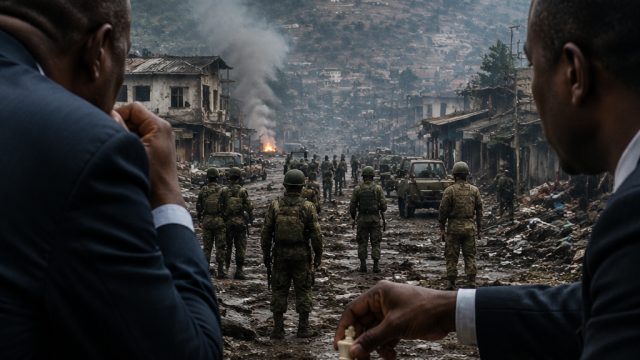
As the Democratic Republic of the Congo (DRC) navigates through a challenging period marked by economic turbulence, social unrest, and governance crises, President Felix Tshisekedi's potential push for a third term raises significant concerns. The ongoing debates surrounding a controversial bill that could alter the constitutional limits on presidential tenure are not just political maneuvers; they threaten to plunge the nation deeper into instability.
Current Political Landscape in the DRC
The political environment in the DRC is characterized by mounting pressure on the government to address pressing issues such as poverty, corruption, and insecurity. The government's response has been scrutinized, with many citizens expressing dissatisfaction with the current administration's effectiveness. As Kinshasa grapples with these challenges, the idea of extending presidential terms brings a new layer of complexity to an already volatile situation.
The Controversial Bill
At the heart of the current political drama is a proposed bill that, if passed, would allow President Tshisekedi to seek re-election beyond the current two-term limit stipulated in the constitution. This move has ignited fierce debates among political factions and the general populace. The implications of such legislative changes could lead to:
- Increased civil unrest as opposition groups mobilize against the perceived overreach of power.
- A potential rise in violence as various factions vie for control and influence.
- An international backlash that could affect foreign aid and relations, worsening the DRC's economic prospects.
The Stakes for Congo's Citizens
For the citizens of the DRC, these political maneuvers have real-life consequences. With many communities already struggling to meet basic needs, the political uncertainty can exacerbate their hardship. The potential for a prolonged political crisis could delay critical reforms and investments needed for economic recovery.
Public Sentiment
Public opinion on the proposed bill is deeply divided, with some citizens supporting the idea of stability through continuity, while others view it as a threat to democratic values. Social media platforms have become a battleground for these differing perspectives, highlighting the role of technology in contemporary political discourse.
International Implications
The DRC holds significant geopolitical importance due to its vast natural resources, including minerals essential for global technology and energy sectors. As a result, the international community is closely monitoring the country's political developments. A shift toward authoritarianism could have ramifications that extend well beyond Congo's borders.
Foreign Relations in Jeopardy
Key issues to consider regarding foreign relations include:
- How Western nations might respond to any attempts to undermine democratic processes.
- The potential for increased sanctions or restrictions on trade with the DRC.
- The effect on international investments, which are crucial for the country's development.
Conclusion: A Pivotal Moment for the DRC
As Congo stands at a crossroads, the upcoming decisions regarding President Tshisekedi's term limits and the proposed bill will play a pivotal role in shaping the nation's future. The interplay of political ambition, public sentiment, and international scrutiny will determine whether the DRC moves toward greater stability or deeper turmoil.
In conclusion, it is essential for all stakeholders, including citizens, political leaders, and the global community, to engage in constructive dialogue and uphold democratic principles. The choices made in this moment will have lasting impacts on the DRC, and the need for a robust and stable governance framework has never been more urgent.
