





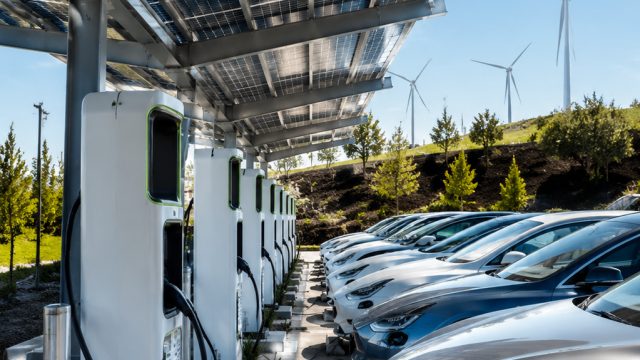
The global focus on sustainability has led to a significant shift in investment towards low-carbon technologies. As nations strive to achieve their climate goals, entities like Specialty Credit are stepping up to provide crucial financial backing for innovations that facilitate the energy transition. This article examines the pivotal role of specialty credit in promoting sustainable energy solutions and why this trend matters more than ever.
Understanding Specialty Credit and Its Importance
Specialty credit refers to tailored financing options that cater specifically to industries and projects aiming at sustainability and environmental responsibility. With the ongoing urgency to combat climate change, financial institutions have recognized the need to support initiatives that reduce carbon emissions and promote renewable energy sources.
The Shift Towards Low-Carbon Investments
In recent years, there has been a marked increase in investments directed toward low-carbon technologies. These investments are not merely a trend; they signify a fundamental shift in how industries operate. Here are some reasons why this transition is critical:
- Climate Compliance: Many countries are establishing strict regulations to meet climate targets, making it imperative for businesses to innovate.
- Consumer Demand: There is a growing consciousness among consumers demanding sustainable practices from companies.
- Technological Advancements: Innovations in renewable energy technologies are now more accessible, leading to substantial cost reductions.
How Specialty Credit Supports Low-Carbon Technologies
Specialty Credit plays a vital role in enabling projects that deliver low-carbon solutions. By understanding the unique challenges faced by companies in this sector, these financial providers are able to offer tailored solutions that meet specific needs.
Facilitating Innovation through Financial Solutions
Financial support comes in various forms, including:
- Grants: Providing funds that do not require repayment, thus reducing the financial burden on startups.
- Loans: Offering favorable terms to help companies scale their innovative solutions.
- Equity Investments: Investing directly in promising companies to provide them with the necessary capital for growth.
Case Studies of Successful Innovations
Several companies have successfully leveraged specialty credit to drive their low-carbon initiatives. By examining these case studies, we can see the tangible benefits of such financial support.
Innovative Energy Solutions
One notable example includes a startup focused on developing efficient solar panel technology. With the assistance of specialty credit, they were able to enhance their research and development, leading to a product that significantly increases energy output while reducing costs.
Smart Grid Technologies
Another success story involves a company that has designed smart grid technology to optimize energy consumption across cities. Specialty credit provided the necessary funding for pilot projects, leading to widespread adoption and impressive reductions in energy waste.
The Future of Low-Carbon Funding
As we look to the future, the demand for low-carbon technologies will only increase. The role of specialty credit will be fundamental in fostering innovation and supporting businesses that can deliver sustainable solutions.
Challenges and Opportunities Ahead
Despite the positive strides in sustainable financing, challenges remain:
- Market Volatility: Fluctuations in financial markets can impact investment strategies.
- Regulatory Hurdles: Navigating different regulations across countries can complicate funding processes.
- Public Perception: Ensuring investors see the long-term value in low-carbon initiatives is crucial.
Conclusion: The Time to Act is Now
As the urgency to address climate change escalates, the role of specialty credit in driving low-carbon technologies is more important than ever. By supporting innovative solutions, these financial institutions not only promote sustainability but also help shape a greener future. Now is the time for businesses, investors, and governments to collaborate and invest in the technologies that will lead us toward a sustainable energy transition.
