





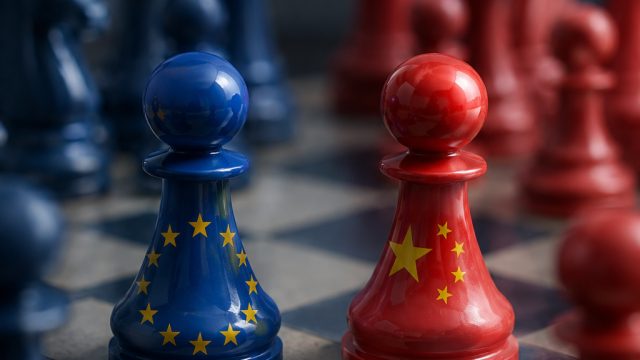
EU and China: Navigating Supply Chain Dependencies in 2023
As the global economy continues to evolve in an interconnected landscape, the European Union (EU) has intensified its trade discussions with China, particularly in light of critical supply chain concerns. This timely engagement aims to address the growing dependencies and risks associated with international trade, especially following recent global disruptions.
The Importance of EU-China Relations
The relationship between the EU and China is not merely transactional; it is a complex interplay of economic interests that significantly influences global markets. The EU remains one of China's largest trading partners, while China is a vital source of raw materials and goods for many EU nations. Strengthening this dialogue isn’t just about maintaining trade balance; it’s about ensuring stability and resilience in supply chains.
Current Challenges in Trade
Recent events have highlighted vulnerabilities in global supply chains, from the pandemic's disruption to geopolitical tensions. As a result, the EU is proactive in addressing these challenges. The dialogue focuses on several key areas:
- Supply Chain Resilience: Enhancing the reliability of supply routes and sources.
- Technological Cooperation: Collaborating on new technologies to streamline processes.
- Sustainability Standards: Promoting environmental standards in trade practices.
Impact of Global Events on EU-China Trade
The recent shifts in geopolitical relations and economic policies have placed attention on the need for a stable trade environment. With rising tensions in other regions and the ongoing ramifications of the COVID-19 pandemic, the EU recognizes that fostering a strong trade relationship with China is crucial not only for economic growth but also for ensuring strategic autonomy.
Economic Opportunities Ahead
The current climate presents myriad economic opportunities. As businesses strive to recover from the past few years, the EU's enhanced dialogue with China could unlock new avenues for investment and innovation:
- Trade Agreements: The possibility of new trade deals could lower tariffs and facilitate smoother transactions.
- Market Access: Improved access to Chinese markets can benefit European exporters, particularly in technology and green energy sectors.
- Joint Ventures: Collaborations in research and development may lead to groundbreaking advancements in various fields.
Long-Term Strategies for a Balanced Trade Partnership
To ensure that this trade relationship remains beneficial for both parties, the EU is adopting long-term strategies aimed at creating a balanced partnership. This involves:
- Diverse Supply Chains: Reducing reliance on single sources by diversifying suppliers across various countries.
- Investment in Local Industries: Encouraging local production to enhance economic resilience.
- Engagement with Stakeholders: Involving businesses and civil society in trade discussions to align interests and goals.
Conclusion: The Path Forward
As the EU and China navigate their complex trade relationship, the focus on enhancing dialogue amid supply chain vulnerabilities is a critical response to current challenges. By fostering cooperation and addressing mutual concerns, both regions can work toward a more resilient and prosperous economic future. The significance of this partnership cannot be understated, particularly as the world continues to adjust to an ever-changing economic landscape. As we move further into 2023, the outcomes of these discussions will undoubtedly shape the trajectory of global trade.
