





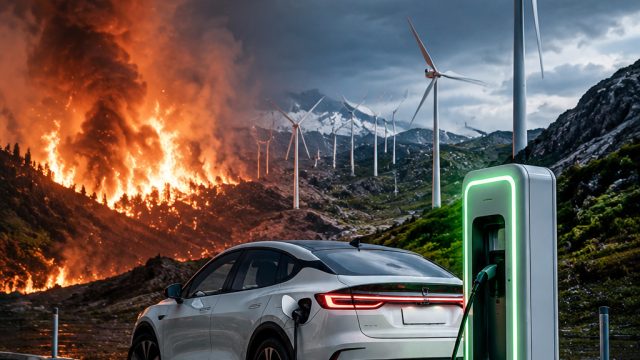
The urgency of climate change has reached a critical point, particularly in Europe, which is currently experiencing the highest rates of warming compared to other continents. The rising temperatures are not merely a statistic; they are a call to action for governments, businesses, and citizens alike. Understanding the factors fueling this rapid change is essential for developing effective responses.
Understanding the Causes of Rapid Warming
While the global reliance on fossil fuels is a well-known factor in climate change, Europe’s unique geographical and environmental conditions contribute significantly to its accelerated warming. The following elements play a crucial role:
- Local Climate Feedbacks: Local ecosystems and geography can amplify warming effects. For instance, melting snow and ice expose darker land or water surfaces that absorb more heat.
- Urban Heat Islands: Cities like London and Berlin have higher temperatures than surrounding rural areas due to human activity and infrastructural designs.
- Changes in Weather Patterns: Altered jet streams and shifting ocean currents can lead to more extreme weather, exacerbating heat waves and rainfall events.
The Impact of Fossil Fuel Dependency
Europe has historically relied heavily on fossil fuels, which remains a significant contributor to greenhouse gas emissions. This dependency is not just a problem of the past; it affects current policies and energy strategies. The European Union has made strides toward renewable energy adoption, but challenges remain:
Current Energy Consumption Trends
Despite ambitious goals to reduce carbon footprints, many European nations still rely on coal, oil, and gas. Recent reports indicate that:
- Coal usage has seen a temporary resurgence due to energy shortages caused by geopolitical tensions.
- Natural gas imports have increased as countries seek to diversify energy sources, yet this often results in additional carbon emissions.
Renewables on the Rise
On the positive side, renewable energy technologies are rapidly evolving and becoming more cost-effective. Wind and solar energy installations are booming across Europe, but there are still significant hurdles:
- Investment in energy infrastructure is critical to support transitions to cleaner energy sources.
- Public policy must align incentives for both consumers and businesses to adopt green technologies.
What This Means for the Future
The consequences of Europe’s rapid warming extend beyond the continent's borders. Environmental degradation can trigger economic instability, migration crises, and heightened geopolitical tensions. It is critical to address these issues head-on.
Strategies for Mitigating Climate Risks
To combat the impacts of rapid warming, a multifaceted approach is necessary. Here are some strategies that could significantly change the course of climate action:
- Investment in Clean Technology: Continuous support for innovations in clean energy, carbon capture, and sustainable transportation is essential.
- Enhanced Climate Policies: Stricter regulations on emissions and incentives for renewable energy adoption can drive significant change.
- Public Awareness Campaigns: Educating citizens about the impacts of climate change and promoting sustainable practices can lead to meaningful action at an individual level.
Conclusion: Urgency for Action
The reality of Europe's climate crisis is a stark reminder of the broader global challenge we face. Each rising degree impacts lives, ecosystems, and the future of our planet. Immediate and sustained action is essential not only to mitigate the impacts of climate change on Europe but also to influence global policies that foster a more sustainable future. The time for change is now, and it requires collective commitment across all sectors of society.
