





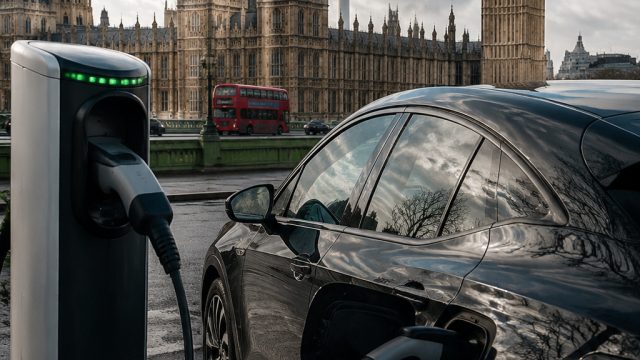
The conversation surrounding the UK’s commitment to achieving net zero carbon emissions has gained significant traction in recent months. As the nation grapples with economic challenges, prominent advisers have voiced concerns about the potential repercussions of weakening climate policies. This article delves into why maintaining robust net zero goals is not only essential for environmental sustainability but also crucial for stimulating economic growth.
The Connection Between Climate Policy and Economic Health
In recent discussions, leading climate advisers have emphasized that the UK’s net zero policy is integral to the nation’s economic framework. The assertion is clear: a strong commitment to climate action can lead to numerous benefits, including job creation, innovation, and investment opportunities.
Job Creation and Green Industries
Transitioning to a green economy can foster new job opportunities in various sectors. According to recent studies:
- Renewable Energy: As investments in wind, solar, and other renewable resources increase, job openings within these industries are expected to rise dramatically.
- Sustainable Infrastructure: Projects aimed at enhancing energy efficiency in buildings and transport systems create thousands of jobs.
- Research and Development: The push for innovative energy solutions leads to advancements in technology, requiring skilled professionals.
Attracting Investments
Countries that demonstrate a serious commitment to climate policies attract more investments from both domestic and international players. Investors are increasingly looking for stable environments where sustainability is prioritized. The UK’s adherence to net zero commitments can enhance its reputation as a leader in the global green economy.
The Risks of Weakening the Net Zero Agenda
Conversely, any reduction in the UK’s climate ambitions could have detrimental effects on its economy. Experts argue that backtracking on net zero policies could lead to:
- Increased Unemployment: As industries pivot away from sustainable practices, jobs in the green sector could diminish.
- Missed Innovation Opportunities: Scaling back on green initiatives hampers innovation that could arise from the energy transition.
- Reputational Damage: A weakened climate stance can deter foreign investments and harm the UK’s standing in international forums.
Long-Term Economic Consequences
The long-term economic implications of a compromised net zero strategy extend beyond immediate job losses. By neglecting to prioritize sustainability, the UK risks facing future economic challenges, such as:
- Energy Vulnerability: As fossil fuel resources dwindle, nations that fail to diversify their energy sources may find themselves at a disadvantage.
- Compliance Costs: Future regulations surrounding emissions may impose higher costs on businesses that do not proactively adapt.
- Public Sentiment: Citizens increasingly demand accountability and proactive measures from their government regarding environmental issues.
Conclusion: A Call to Action
As the UK navigates its economic landscape, the importance of maintaining a robust net zero policy cannot be overstated. With the potential to create jobs, attract investment, and foster innovation, a strong commitment to climate action serves as a cornerstone of future economic prosperity. Rather than viewing net zero targets as an economic burden, stakeholders should embrace them as a pathway to sustainable growth and resilience. The time for decisive action is now; ensuring a stable, green future will fundamentally define the UK’s economic trajectory in the coming years.
