





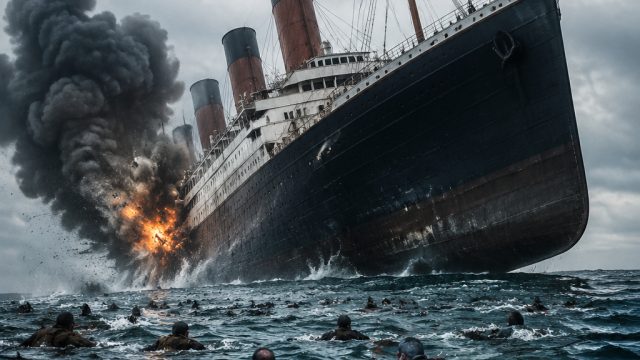
On May 7, 1915, the world was shaken by the sinking of the RMS Lusitania, a British ocean liner that met a tragic end during the height of World War I. This incident not only marked a significant event in maritime history but also became a catalyst for changing public sentiment regarding the war. As we explore the implications of this tragedy, it becomes clear why understanding its impact is still relevant today.
The Context Leading to the Lusitania Disaster
In the early 20th century, the world was on edge, and tensions between nations were escalating rapidly. The assassination of Archduke Franz Ferdinand of Austria in June 1914 set off a chain of events that led to the outbreak of World War I. As nations mobilized for war, the seas transformed into battlegrounds where naval warfare became increasingly deadly. The Lusitania, a luxurious vessel designed for transatlantic travel, soon found itself in perilous waters.
Naval Warfare Escalation
With the war declaration came a new strategy of unrestricted submarine warfare, particularly by Germany. In an attempt to cripple Allied supplies and morale, German U-boats began targeting not only military vessels but also passenger ships. This shift profoundly affected maritime safety and raised questions about the responsibilities of nations protecting civilians on the seas.
The Fateful Voyage of the Lusitania
The Lusitania embarked on its final journey from New York to Liverpool, carrying nearly 2,000 passengers and crew members. Onboard were civilians, including women and children, unaware of the dangers that lay ahead. On the day of its sinking, a warning from the German embassy was published, cautioning travelers about the risks of embarking on British ships, which further highlighted the brewing conflict.
The Attack and Its Consequences
- On May 7, 1915, the Lusitania was struck by a torpedo from a German U-boat.
- The ship sank in just 18 minutes, resulting in the tragic loss of over 1,200 lives.
- This incident ignited outrage in the United States and shifted public opinion against Germany.
Repercussions and Legacy
The sinking of the Lusitania had far-reaching effects on international relations and military strategy. Public outcry in the U.S. ultimately contributed to the country's entry into World War I in 1917. The event highlighted the vulnerabilities of civilian shipping during wartime and sparked debates about the ethics of targeting non-combatants.
Maritime Laws and Protections
In the aftermath of the Lusitania disaster, discussions intensified surrounding maritime law and the protection of civilian vessels. Countries began to realize the importance of establishing clearer rules regarding naval engagements and protecting passenger ships.
Why the Lusitania Matters Today
Reflecting on the Lusitania's sinking teaches us valuable lessons about the complexities of warfare and international relations. As global tensions rise in various regions, understanding historical precedents like the Lusitania disaster is crucial. It emphasizes the importance of protecting civilians in conflict zones and maintaining open lines of communication to avoid misunderstandings that could lead to catastrophic outcomes.
Modern Reflections
- Today's geopolitical climate mirrors the tensions of the past, making the Lusitania a cautionary tale.
- Maritime security remains a pressing concern, as nations navigate territorial disputes and piracy threats.
- Continued discussions about the protection of non-combatants in war are essential in today's world.
The Lusitania's legacy serves as a powerful reminder of the human cost of war and the need for vigilance in protecting lives, both on land and at sea. As we reflect on this tragic event, it is vital to learn from history to shape a more secure and peaceful future.
In conclusion, the Lusitania disaster is not merely a historical incident; it is a pivotal moment that resonates with ongoing discussions about maritime safety, international law, and the moral responsibilities of nations in times of conflict. By understanding this tragedy, we can better navigate our contemporary world and advocate for a future where civilian lives are safeguarded amidst geopolitical strife.
