





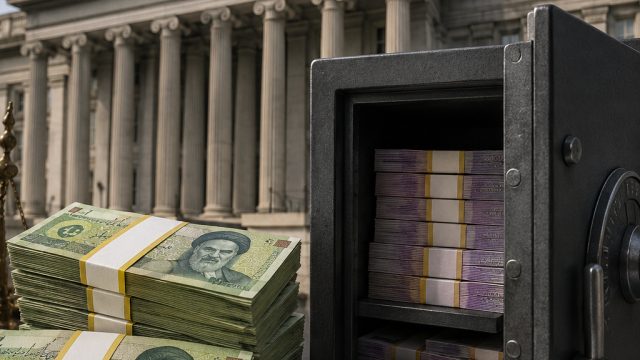
In a significant policy shift, the U.S. Treasury Department is set to oversee the management of frozen Iranian assets once they are released, a move that aims to address humanitarian needs while maintaining financial oversight. This announcement comes at a crucial time as international tensions and economic sanctions continue to influence global financial landscapes, especially in the context of U.S.-Iran relations.
The Context of Frozen Funds
For years, Iranian funds have been frozen due to international sanctions linked to the country's nuclear program and other geopolitical issues. These assets, amounting to billions of dollars, have remained inaccessible, affecting various sectors within Iran, particularly agriculture and healthcare.
Importance of Agricultural Support
The Treasury's decision to allocate released funds primarily towards U.S. agriculture signals a commitment to not only assist Iranian citizens but also to bolster American farmers. This dual focus may help mitigate any backlash against U.S. interests while supporting humanitarian efforts.
- Promotion of agricultural programs in Iran
- Ensuring food security for Iranian citizens
- Strengthening ties between the U.S. agricultural sector and Iranian markets
Healthcare Funding Priorities
In addition to agricultural initiatives, the Treasury has highlighted the importance of directing funds towards medicinal needs in Iran. Access to essential medicines remains a pressing issue, particularly in light of sanctions that have limited supply.
- Increase in availability of life-saving medications
- Support for healthcare infrastructure development
- Collaboration with international health organizations
Monitoring and Transparency
One of the critical components of this financial oversight will be the establishment of a monitoring framework to ensure transparency and proper allocation of funds. This initiative is designed to prevent any misuse of the assets once they are released.
Accountability Measures
The U.S. Treasury plans to implement several accountability measures, including:
- Regular audits of fund allocation
- Partnerships with NGOs for effective distribution
- Public reporting on the impact of funds
Potential Implications for U.S.-Iran Relations
This approach could serve as a stepping stone towards a more constructive dialogue between the U.S. and Iran, potentially easing some tensions. Establishing a system that prioritizes humanitarian concerns may open channels for further negotiations on other contentious issues.
Why This Matters Now
The timing of this announcement is particularly crucial given the current geopolitical climate. With ongoing discussions surrounding sanctions and international relations, the management of these funds could influence not only U.S.-Iran relations but also the broader Middle Eastern geopolitical landscape.
The Global Economic Impact
The release of frozen Iranian funds managed by the U.S. Treasury could have ripple effects in various sectors, including energy and trade. By facilitating the flow of these resources, there is potential for improved stability in regional markets.
- Potential increase in trade between the U.S. and Iran
- Impact on global oil prices as Iran seeks to re-enter the market
- Influence on other nations’ approaches to sanctions
Conclusion
As the U.S. Treasury prepares to oversee the release of frozen Iranian funds, the implications of this action extend far beyond Iran's borders. By focusing on agricultural and healthcare needs, the U.S. is not only addressing humanitarian concerns but also navigating the complexities of international relations. Moving forward, the effectiveness of this initiative will depend on the transparency and accountability measures implemented by the Treasury.
