





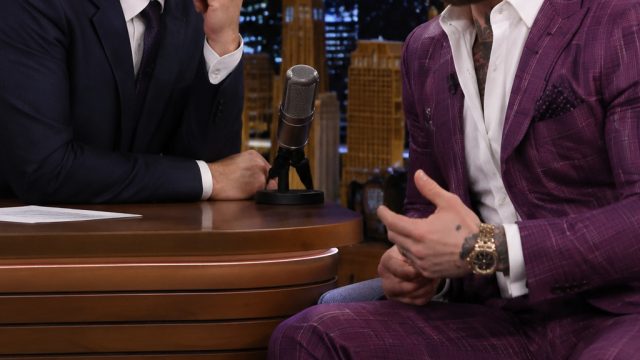
In recent days, the entertainment world has been abuzz with heated discussions following Jimmy Fallon's controversial interview with MMA fighter Conor McGregor. The backlash has been fierce, sparked by the resurfacing of serious allegations against McGregor, which many believe should have disqualified him from appearing on a mainstream talk show. This situation has reignited conversations about accountability in the entertainment industry, highlighting the public's increasing demand for responsible platforming.
Context of the Controversy
The uproar began when Fallon welcomed McGregor onto his show, allowing the fighter to discuss his career and recent ventures. However, social media users quickly voiced their discontent, pointing out that McGregor has faced multiple accusations of sexual assault in the past, which raises ethical questions about his media presence. Critics argue that such an appearance not only diminishes the gravity of these allegations but also sends a troubling message about celebrity accountability.
The Role of Social Media in Shaping Public Opinion
As discussions exploded on platforms like Twitter and Instagram, several prominent figures joined the fray. Actress Christina Ricci notably criticized both Fallon and McGregor, calling the interview a display of poor judgment. The growing backlash highlights how social media serves as a powerful tool for public discourse, allowing voices to unite against perceived injustices.
Reactions from the Public and Celebrities
The negative reactions have been widespread, with users describing the interview as an endorsement of McGregor's past actions. Comments ranged from expressions of disappointment in Fallon for providing a platform to someone with such a controversial history, to calls for boycotts of the show. Below are some notable responses:
- “Absolutely spineless of Jimmy Fallon to give a platform to Conor McGregor. This is not okay.”
- “While I understand the interest in MMA, can we please stop normalizing individuals with troubling pasts?”
- “This interview just perpetuates a culture of silence around serious issues.”
Industry Responses
In the face of growing criticism, various industry figures have weighed in. Some argue that Fallon was merely doing his job as an entertainer, while others insist that he should have considered the broader implications of featuring McGregor. As the debate continues, it raises important questions about the responsibilities of hosts and producers in the entertainment sector.
The Bigger Picture: Celebrity Accountability
This incident is not isolated but part of a larger conversation about celebrity accountability and the media's role in shaping public perception. With increasing awareness of issues around sexual misconduct, the entertainment industry is grappling with how to handle figures who have been accused of serious offenses. This interview has become a case study, prompting calls for more thorough vetting processes before inviting guests who have faced such allegations.
The Impact on Viewership and Future Programming
The backlash may affect not only Fallon's ratings but also future programming decisions across late-night television. Networks may need to reconsider the guests they invite and the potential public reactions. As audiences demand greater responsibility from their media, shows that fail to meet these expectations could face significant backlash.
Conclusion: A Call for Thoughtful Engagement
The outrage sparked by Jimmy Fallon's interview with Conor McGregor is more than just a reaction to a single event; it reflects a changing societal landscape where accountability is key. As audiences become more vocal about their expectations of media figures, it is crucial for hosts and producers to navigate these waters with care. The future of entertainment may depend on how well the industry embraces this shift towards greater sensitivity and responsibility.
