





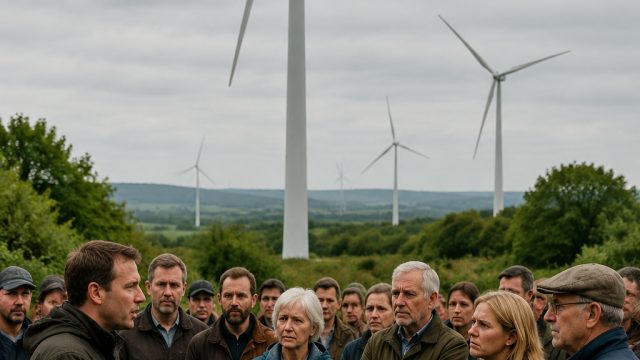
Controversy Erupts Over EV Firm's Wind Turbine Plans in Hampshire
The landscape of renewable energy is ever-changing, and a recent decision regarding EV charging firm Instavolt's plans for a large wind turbine in Hampshire has stirred significant debate. As communities grapple with the need for sustainable energy solutions, this situation emphasizes the balance between innovation and environmental stewardship.
Instavolt's Ambitious Vision
Instavolt, known for its rapid EV charging technology, has ambitions that extend beyond electric charging stations. The company's proposal for a wind turbine in the picturesque Hampshire countryside aimed to support its charging infrastructure through renewable energy. However, the local authorities have rejected the proposal, citing concerns over environmental impact and potential disturbance to the natural landscape.
Why This Matters Now
This decision is critical as it reflects the ongoing tensions between renewable energy development and local environmental considerations. With increasing pressure to transition to electric vehicles, having a reliable and sustainable power source is vital. The refusal of Instavolt’s turbine could set a precedent that may inhibit similar projects in the future.
Balancing Sustainability and Local Concerns
While there is no denying the importance of renewable energy in combating climate change, the local community's voice must also be considered. The Hampshire countryside is not only a scenic area but also an ecosystem that supports diverse wildlife. Concerns about the wind turbine disrupting this balance are valid and highlight the need for careful planning in energy projects.
Understanding Local Sentiments
- Residents worry about noise and visual pollution from wind turbines.
- Concerns about potential impacts on wildlife habitats.
- A desire to maintain the area's natural beauty for tourism and recreation.
The Path Forward for EV Charging Solutions
As the world moves towards a more electrified future, finding sustainable solutions that align with community values is essential. Instavolt's plans may have stumbled, but they open up vital conversations regarding energy production's impact on local environments. Other strategies for sustainable energy generation include:
- Solar panels on EV charging stations.
- Battery storage systems for renewable energy.
- Partnerships with local green energy providers.
Looking at the Bigger Picture
Though the rejection of a wind turbine is a setback for Instavolt, it reflects a broader conversation about how communities interact with emerging technologies. As EV adoption grows, the demand for energy-efficient charging solutions will only increase. Thus, developing eco-friendly infrastructures that residents can support is essential for the EV industry.
Conclusion: A Call for Collaboration
The situation surrounding Instavolt's rejected wind turbine proposal in Hampshire serves as a crucial lesson for the renewable energy sector. It underscores the importance of involving local communities in the planning stages of energy projects. The future of electric vehicle charging solutions relies not just on technological advancements but also on fostering partnerships that respect both innovation and local environments. As we move forward, a collaborative approach may lead to sustainable outcomes that benefit both the EV industry and the communities it seeks to serve.
