





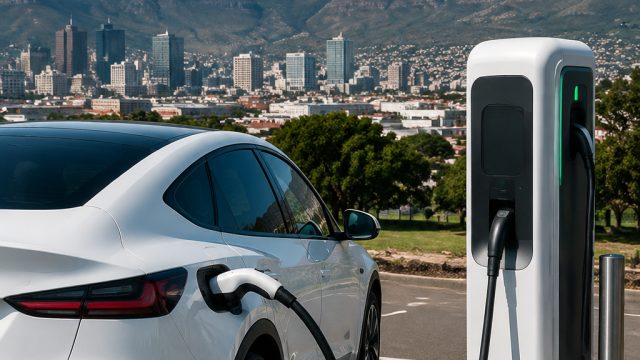
As the world embraces the shift towards electric vehicles (EVs), South Africa finds itself at a pivotal juncture. With significant investments in EV technology, the nation is poised to transform its transportation landscape. However, challenges remain in achieving grid readiness, ensuring sustainable energy supply, and fostering public acceptance. In this article, we explore the current state of EVs in South Africa, the barriers faced, and the exciting prospects that lie ahead.
The Current Landscape of EV Adoption
South Africa's journey towards electric mobility kicked off with various initiatives aimed at increasing EV adoption. The government has set ambitious targets, aiming for a substantial portion of new vehicle sales to consist of electric models by 2030. International partnerships and investments from global EV manufacturers have also bolstered local capabilities.
Government Initiatives and Incentives
- Tax rebates for electric vehicle purchases
- Infrastructure development projects focusing on charging stations
- Public awareness campaigns to educate consumers about the benefits of EVs
Market Response
The South African market has seen a gradual increase in the availability of electric vehicles, with several local and international brands entering the fray. This burgeoning competition is driving prices down and offering consumers more choices. However, many potential buyers remain hesitant due to concerns over charging infrastructure and battery range.
Grid Readiness: A Critical Factor
While the enthusiasm for electric vehicles is palpable, a critical concern is the country’s grid readiness. South Africa's existing energy infrastructure faces numerous challenges, including intermittent power supply and reliance on fossil fuels. For a successful EV rollout, a robust, green energy grid is essential.
Enhancing Energy Infrastructure
The integration of renewable energy sources, such as solar and wind power, is vital to support EV charging demands. Here are some steps being taken:
- Investment in solar energy farms to provide clean power for charging stations
- Partnerships with private sectors to improve grid resilience
- Implementation of smart grid technologies for efficient energy management
Public and Private Sector Collaboration
For South Africa to achieve a successful transition to electric vehicles, collaboration between the government and private stakeholders is imperative. Joint initiatives can expedite the establishment of charging infrastructure and promote EV usage.
Addressing Consumer Concerns
Despite the potential benefits of EVs, consumer skepticism remains a significant hurdle. Education and outreach are critical to dispel myths and highlight the advantages of switching to electric vehicles.
Key Consumer Concerns
- Range anxiety: Ensuring adequate charging facilities to alleviate fears of running out of charge
- Cost: Understanding the long-term savings and incentives available
- Maintenance: Addressing misconceptions about maintenance costs and battery longevity
Strategies for Engagement
To encourage broader adoption of EVs, stakeholders can implement various strategies:
- Host community events showcasing electric vehicles
- Provide test drives to potential buyers
- Share success stories and experiences from current EV owners
The Road Ahead: A Sustainable Future
Looking ahead, the future of electric vehicles in South Africa appears optimistic, provided that the current challenges are effectively addressed. The transition to a sustainable transport system not only aligns with global trends but also promises to enhance energy security and reduce greenhouse gas emissions.
Investing in Green Transportation
Investors are increasingly recognizing the potential of the EV market in South Africa. By channeling funds into charging infrastructure and research for local EV production, the country can foster a thriving ecosystem around electric mobility.
Conclusion
As South Africa navigates its electric vehicle revolution, the emphasis on grid readiness, public engagement, and sustainable practices will be crucial. By embracing these elements, the nation can lead the way in transforming its transportation system, benefiting both the economy and the environment. The call for action is now; proactive measures today will pave the way for a greener tomorrow.
